Before 1 July 2025, you could only digitally lodge statements of distribution (SODs) for up to 160 partners in a partnership. The rest had to be lodged manually.
We’ve now updated the lodgment software so you can digitally lodge SODs for all partners.
Lodging digitally means the data will be available to you for lodgment in future years, saving you time in the long run. Digitally lodged data helps us cross-check and assure that partners are correctly reporting income in their returns. This helps us target our compliance actions more accurately and lets us readily identify partners who are doing the right thing. This is even more important given our increased focus on allocation of profits within professional firms.
When you lodge your SODs, it’s critical to make sure all the information is complete and correct. Avoid the common errors that can lead to penalties and costs by completing all required information for each partner in the SOD labels, including:
the name of each individual or entity
tax file numbers
residential or business addresses
date of birth for individuals
Australian business numbers for other entities (if they have one).
Remember that the SOD labels are part of the partnership return in which you make accountable statements to the ATO. To steer clear of unintended or adverse consequences, always be 100% certain of the data you input.
The next stage of tertiary education reforms begins today with the establishment of the interim Australian Tertiary Education Commission (ATEC).
A recommendation of the Australian Universities Accord, the ATEC will drive long-term reform across Australia’s tertiary education system, helping us to build the skills Australia needs now and into the future.
The ATEC begins today in an interim capacity and subject to the passage of legislation, be fully operational in 2026.
The ATEC will play a key role in driving important structural reforms across the tertiary education system to help meet Australia’s skills needs.
These reforms will better align the supply of skilled workers and new knowledge with Australia’s future workforce needs by: • promoting a joined-up tertiary system between VET and higher education • allocating funding under the new Managed Growth Funding system • implementing Needs-based Funding within the core funding model • negotiating mission-based compacts to support a diverse, responsive, and high-performing sector.
The interim ATEC will be led by two expert, non-statutory Commissioners, Professor Mary O’Kane AC as interim Chief Commissioner and Distinguished Professor Larissa Behrendt AO as interim First Nations Commissioner.
They will work alongside Professor Barney Glover AO, the Jobs and Skills Australia Commissioner, to form the interim Commission.
In the long-term, ATEC will steward the tertiary education system to deliver quality education to more people across Australia.
The Terms of Reference for the interim Commission have also been released today.
The new ATEC will independently provide advice to the Minister for Education and the Minister for Skills and Training.
ATEC will work closely with Commonwealth, State and Territory Ministers and draw on advice from Jobs and Skills Australia, including recommendations from the recent Tertiary Harmonisation Report.
Quotes attributable to Minister for Education Jason Clare:
“We need to break down that invisible barrier that stops a lot of Australians from disadvantaged backgrounds, from the regions and the outer suburbs from getting a crack at uni and succeeding when they get there.
“That requires big structural reform.
“The Universities Accord recommended we establish an independent body to help drive and steer reform over the long term.
“It will help break down the barriers between TAFE and university, implement the new funding model, provide advice on pricing and a lot more.
“So, I’m getting the band back together.
“The people who wrote the Accord will help to make it real.”
Quotes attributable to Minister for Skills and Training Andrew Giles:
“We know that nine in ten jobs over the next decade will need a tertiary qualification – whether that be uni or TAFE.
“Which means we need to make it easier for Australians to choose the right pathway for them, and for the country.
“We’re setting up ATEC to drive, real long-term reform and build a fairer, more connected system that links to good jobs.
“Because a better, and better connected, tertiary system means a better future for everyone.”
Award-winning author and University of South Australia academic Dr Debra Dank has unveiled her latest work, Terraglossia, a powerful response to colonial oppression that invites all Australians to reimagine how we engage with the world’s oldest living culture.
Dr Dank, a Gudanji/Wakaja and Kalkadoon woman from the Barkley Tablelands in the Northern Territory, launched the compelling follow-up to her acclaimed memoir, We Come With This Place, to challenge entrenched narratives and celebrate the richness of First Nations language and culture.
The title of the small hardback, Terraglossia, is a word coined by Dr Dank herself in response to the colonial notion of terra nullius – a concept used by British colonisers to assert the land of Australia was unoccupied and available to claim and settle.
“There is no result to be found if you Google the term ‘terraglossia’ and you won’t find it in a dictionary yet, or perhaps not ever,” she writes in the book.
“It is a word I have coined because in making the untruth visible, populating the great Australian silence with the sounds that have been yarning here for thousands of years, we must identify the words that illustrate or define Aboriginal and Islander ways of knowing, being, doing and seeing as defined by us through our concepts and not merely non-Aboriginal concepts massaged into something that is close enough.”
Dr Dank, who is based on the Sunshine Coast, has spent 40 years working in primary, secondary and tertiary education roles in urban and remote areas across Queensland, New South Wales, Victoria, South Australia and Northern Territory.
She also helped establish the Indigenous Literacy Foundation, a charity dedicated to improving literacy among Aboriginal children and young people, especially in remote and isolated communities.
Throughout the new book, Dr Dank explores how an uncritiqued English language – evolved from a comparatively young language literally on the other side of the world – continues to silence First Nations’ voices and suppress more-than-ancient knowledges.
She draws on several experiences throughout her childhood and teaching career where she has witnessed firsthand the impact of language loss and cultural disconnection.
“I once worked with a non-Aboriginal teaching colleague who was from a non-English speaking European ancestry. I entered her classroom and found her shaking a small child and saying most aggressively, ‘You will not speak that gobbledygook in my classroom.’ The child, five years old, had spoken their own Aboriginal language,” Dr Dank says.
“In my almost 40 years of working in a range of educational institutions and contexts throughout much of Australia, I have never once by connotation or by explicit statement, heard anyone voice disquiet about English speaking children speaking their own language in the classroom.
“It’s time to disrupt a very erroneous narrative that started here when Cook claimed Country that was never his or open for claiming. We need to begin the business of being able to at least communicate a little more effectively.”
Dr Debra Dank.
Dr Dank’s first book We Come With This Place, a memoir of sorts of her Gudanji/Wakaja family’s connection to Country and culture, won numerous awards in 2023, including four NSW Premier’s Awards, three Queensland Literacy Awards and the Australian Literature Society Gold Medal.
“I’m still a bit befuddled and bemused by the whole thing,” she says. “I didn’t set out to write books, I’m perplexed by the success of it but I am deeply honoured.”
Dr Dank has already started work on her third book, expected to hit the printers before the end of 2025.
Terraglossia, published by Echo Publishing, is available online and at major Australian booksellers.
…………………………………………………………………………………………………………………………
Contact for interview: Dr Debra Dank, Enterprise Fellow, UniSA E:debra.dank@unisa.edu.au Media contact: Melissa Keogh, Communications Officer, UniSA M: +61 403 659 154 E:melissa.keogh@unisa.edu.au
It’s a debilitating disease that affects more than 500,000 Australians, but new research from the University of South Australia is offering fresh hope to people living with rheumatoid arthritis (RA).
Evaluating the effectiveness of a novel form of exercise – blood flow restricted resistance training – among people with RA, researchers found that this alternative workout method not only improved their strength and physical performance, but also reduced their pain.
Blood flow restricted resistance training involves placing a pneumatic cuff – much like a blood pressure cuff – around the top of the working limb. The cuff is then inflated so that it restricts blood flow out of the limb, creating a highly metabolic environment which forces the muscles to work harder, even when using lighter weights or less effort.
The Arthritis Australia funded study is the first to trial blood flow restricted resistance training on both the upper and lower limbs in people with RA, using five exercises – leg press, machine hamstring curl, machine knee extension, cable tricep extension, and cable bicep curl – with gradually increasing weights.
All participants in the study reported that they “liked” the program, and the group showed clear improvements in strength, movement and pain levels.
Lead researcher UniSA’s Dr Hunter Bennett says the training offers a practical and achievable option for people with RA.
“RA can cause a loss of muscle mass and strength, which affects day-to-day activities, independence, and increases the risk of falls and fractures,” he says.
“Resistance training is one of the best ways to rebuild that strength, but for people with RA, using heavy weights can be difficult or harmful due to pain, fatigue or injury risk. This is where blood flow restricted resistance training can help.”
Dr Bennett says this approach is ideal for people who need to do resistance exercises but find it hard to lift weights.
“Many people with health conditions are understandably deterred by exercise, yet it is often one of the best things they can do to improve their condition,” he says.
And while this exercise might look unusual, the research shows that it works.
“This kind of training could be a game-changer for people with rheumatoid arthritis.
“It offers a way to build strength and reduce pain without pushing through discomfort – and that’s incredibly empowering for people who’ve often been limited by their condition.”
While this was a small-scale trial, researchers say the results are promising and lay the foundations for a larger trial comparing blood flow restricted resistance exercise to more traditional exercise approaches.
Commonwealth Prac Payments start today for nursing, midwifery, teaching and social work students.
Eligible students will receive $331.65 per week while doing the mandatory prac placements as part of their degree, which has been benchmarked to the single Austudy per week rate.
This new payment will provide cost-of-living relief for around 68,000 eligible higher education students and more than 5,000 VET students each year.
Newly published grant guidelines will make sure the Commonwealth Prac Payment is fair and accessible to eligible students.
This includes students who may face additional challenges due to disability, health, or acute family circumstances and life events.
Acting on the Universities Accord recommendation, this payment will help students with cost of living and encourage more people to study nursing, midwifery, teaching and social work.
University students will be able to apply for the Prac Payment through their higher education providers.
TAFE students enrolled in a Diploma of Nursing will have their payment administered directly by the Department of Employment and Workplace Relations.
For more information for higher education:
Commonwealth Prac Payment (CPP) – Department of Education, Australian Government
Higher Education Support (Other Grants) Amendment (Commonwealth Prac Payment) Guidelines 2025 – Federal Register of Legislation
Quotes attributable to Minister for Education Jason Clare:
“This will give people who have signed up to do some of the most important jobs in this country a bit of extra help to get the qualifications they need.
“These are people who are going to teach our kids, who are going to look after us when we’re sick or when we’re old, going to help women during childbirth and help support women in domestic violence refuges.
“And that’s why this is important. It’s a bit of practical support for people while they do their practical training.
“Placement poverty is a real thing. I have met students who told me they can afford to go to uni, but they can’t afford to do the prac.
“Some students say prac means they have to give up their part-time job, and that they don’t have the money to pay the bills.”
Source: Australian Ministers for Regional Development
The ACCC has launched Federal Court proceedings against Edgewell Personal Care Australia Pty Ltd and its US-based parent company, Edgewell Personal Care Company or Edgewell PCC, for allegedly false or misleading claims that its popular Hawaiian Tropic and Banana Boat branded sunscreens were ‘reef friendly’.
The ACCC alleges Edgewell Australia breached the Australian Consumer Law when it made the claims about many Hawaiian Tropic and Banana Boat sunscreen products across its websites, social media, in retailer catalogues and in other publications. Several Hawaiian Tropic products also contained a logo on the packaging which included the words ‘reef friendly’ and an image of a piece of coral.
The ACCC alleges Edgewell Australia made the ‘reef friendly’ claims between August 2020 and December 2024 based on advice, guidance and direction from Edgewell PCC.
Edgewell claimed that the sunscreens were ‘reef friendly’, including because they did not contain ‘oxybenzone or octinoxate’. These chemicals have been banned in some jurisdictions, including the State of Hawaii, due to the damage they cause to reefs.
However, the sunscreens contained other ingredients which the ACCC alleges either cause harm to reefs, including coral and marine life, or risk causing harm to reefs. These ingredients are octocrylene, homosalate, 4-methylbenzylidene camphor (also known as 4-MBC or enzacamene), and butyl methoxydibenzoylmethane (also known as avobenzone). The ACCC’s case relates to more than 90 Edgewell sunscreen products, sold at various times over the four years, which contained one or more of these ingredients.
The ACCC also alleges Edgewell PCC and/or Edgewell Australia were aware of scientific studies, literature or other reports that indicated the ingredients, or some of them, were known to adversely affect reefs or that there was a risk of such harm, and that neither company commissioned any testing in relation to the ingredients and their impact on reefs.
Edgewell PCC removed ‘reef friendly’ claims from its sunscreen products in the US in around 2020, however we allege the claims continued to be made in Australia until December 2024.
“We allege that Edgewell engaged in greenwashing by making claims about the environmental benefits of Hawaiian Tropic and Banana Boat sunscreens that it had no reasonable or scientific basis to make,” ACCC Deputy Chair Catriona Lowe said.
“Many consumers consider environmental factors when purchasing products. By engaging in this alleged greenwashing, we say Edgewell deprived consumers of the ability to make an informed decision and may have prevented them from purchasing a different brand of sunscreen that did not contain chemicals which risked causing harm to reefs.”
“We believe this conduct was widespread and risked potentially misleading a large number of consumers. The sunscreen products were supplied throughout Australia over a period of four years, including in large stores and online websites,” Ms Lowe said.
“Businesses should not shy away from promoting the environmental credentials of their products, but they must be able to substantiate any claims, for example through reputable third-party certification or reliable scientific reports,” Ms Lowe said.
In its case, the ACCC alleges that the Edgewell companies made a number of misleading representations, including that the products did not cause harm to reefs or give rise to a risk of harm to reefs. The ACCC also alleges that the Edgewell companies misleadingly represented that Edgewell had a reasonable basis for making these representations, or that there was a reliable scientific basis for making the representations.
The ACCC is seeking penalties, declarations, injunctions, costs and other orders.
Images of the Reef Friendly Logo on Hawaiian Tropic product packaging
Close up image of the logo
Background
Edgewell Personal Care Australia Pty Ltd (‘Edgewell Australia’) is a wholly owned subsidiary of Edgewell Personal Care Company (Edgewell PCC).
Edgewell Australia supplies and promotes the Hawaiian Tropic and Banana Boat sunscreen products in Australia.
Edgewell PCC is a New York Stock Exchange listed, multinational consumer products manufacturer company based in the United States. It is one of the world’s largest manufacturers of personal care products, supplying products in the wet shave, sun and skin care, and feminine care categories, including sunscreen products under the Hawaiian Tropic and Banana Boat brands.
In December 2023, the ACCC published its guidance for businesses on making environmental and sustainability claims. It sets out what the ACCC considers to be misleading conduct and good practice when making such claims, to help businesses provide clear, accurate and trustworthy information to consumers about the current and future environmental performance of their business.
Concise statement
This document contains the ACCC’s initiating court document in relation to this matter. We will not be uploading further documents in the event these initial documents are subsequently amended.
Today, the new $3.9 billion National Access to Justice Partnership 2025-30 (NAJP) commences, replacing the National Legal Assistance Partnership 2020-25 and delivering a critical increase of $800 million in funding over 5 years from 2025-26 to the legal assistance sector.
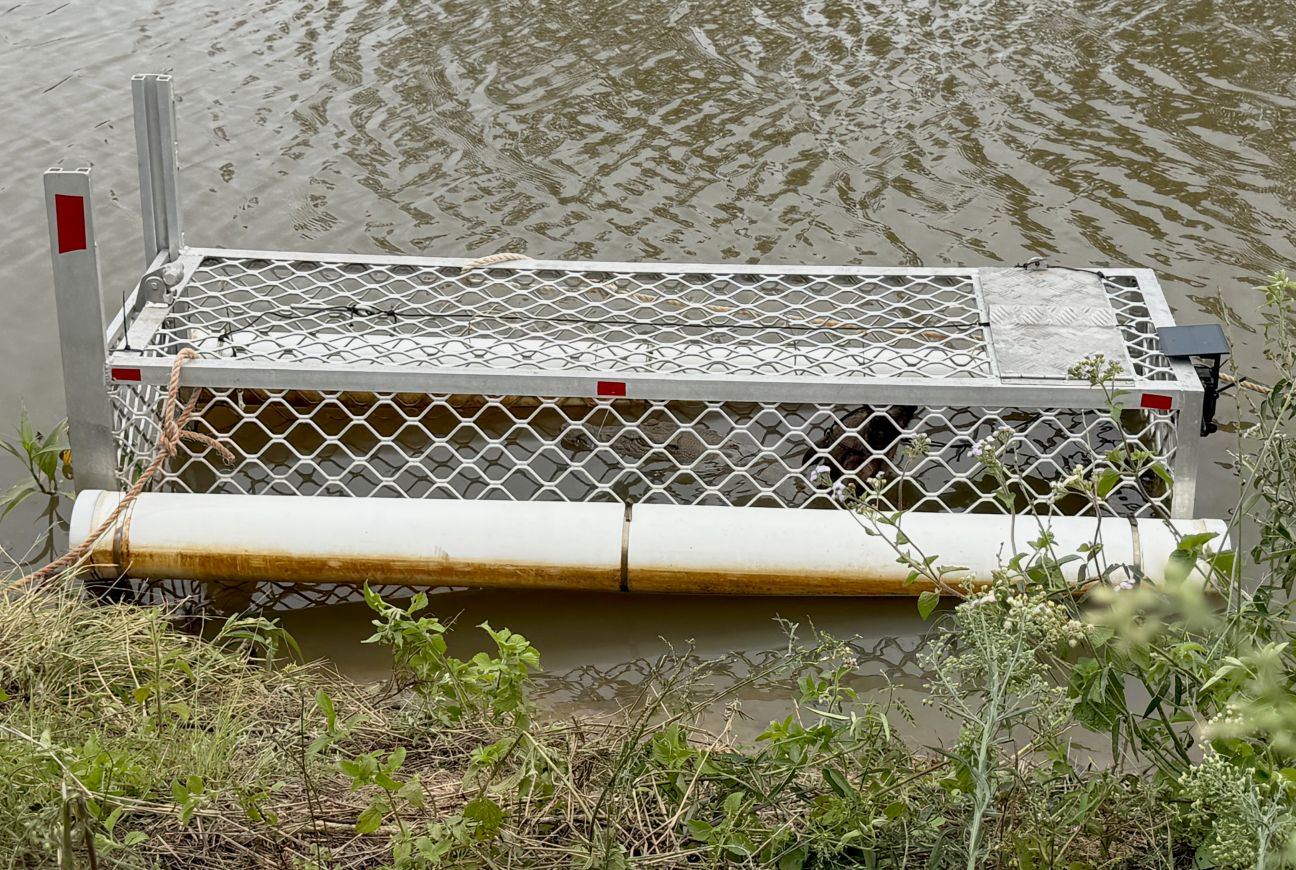
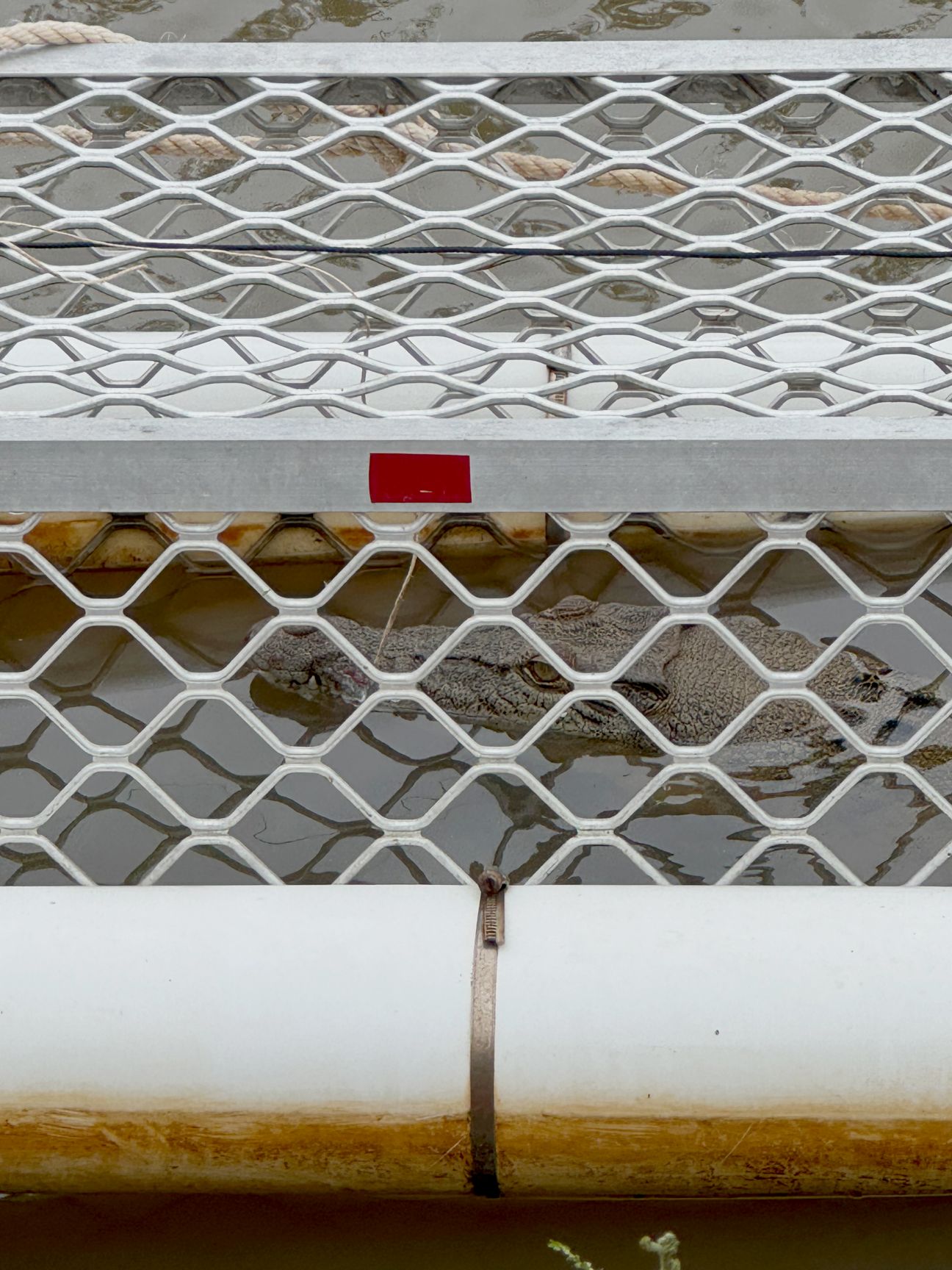
The 1.8m female has been rehomed at a crocodile farm.
A 1.8m juvenile female estuarine crocodile has been removed from the wild at Biboohra north of Mareeba on the Atherton Tablelands.
The crocodile was reported to the Department of the Environment, Tourism, Science and Innovation (DETSI) on 11 June 2025.
Wildlife rangers from the Queensland Parks and Wildlife Service assessed water bodies in the Biboohra area and located the animal in an irrigation channel.
On 24 June 2025, rangers set a baited trap and the crocodile was captured on 27 June 2025. It has been since been placed in a crocodile farm.
DETSI would like to thank the Mareeba Shire Council and people in the Mareeba area for their ongoing interest and assistance in crocodile matters, particularly those people who have submitted crocodile sighting reports.
Sighting reports provide important information about crocodiles, including their location, and wildlife rangers investigate each sighting report.
The Biboohra area is considered atypical habitat for estuarine crocodiles. All estuarine crocodiles confirmed to be present in that area are targeted for removal from the wild.
DETSI is aware of community concerns regarding the potential for estuarine crocodiles in the Barron River.
DETSI has conducted comprehensive surveys of the Barron River over the past ten years and has not observed any estuarine crocodiles, though the river is known to be inhabited by freshwater crocodiles.
All crocodile sightings should be reported in a timely manner to DETSI via the QWildlife app, making an online crocodile sighting report, or by calling 1300 130 372. Wildlife rangers investigate every crocodile sighting report received.
In September 2024, the Australian Parliament passed the Treasury Laws Amendment (Financial Market Infrastructure and Other Measures) Act 2024. This amended the Corporations Act 2001 to provide the RBA with crisis resolution powers with respect to domestically incorporated clearing and settlement (CS) facilities. These powers enable the RBA to manage or respond to a threat posed to the continuity of critical CS facility services or the stability of the financial system in Australia arising in relation to a domestic CS facility licensee.
The RBA has developed draft guidance to provide transparency about when and how the RBA would generally expect to use these resolution powers. It aims to assist CS facilities, their users, market operators and other stakeholders to understand the RBA’s general approach to resolution and the potential effects on them if the RBA decides to use a resolution power.
The RBA is inviting submissions on this consultation from interested parties by 11 August 2025. Following the consultation, the RBA will publish the finalised guidance.