Source: Australian Ministers for Regional Development
The ACCC has launched Federal Court proceedings against Edgewell Personal Care Australia Pty Ltd and its US-based parent company, Edgewell Personal Care Company or Edgewell PCC, for allegedly false or misleading claims that its popular Hawaiian Tropic and Banana Boat branded sunscreens were ‘reef friendly’.
The ACCC alleges Edgewell Australia breached the Australian Consumer Law when it made the claims about many Hawaiian Tropic and Banana Boat sunscreen products across its websites, social media, in retailer catalogues and in other publications. Several Hawaiian Tropic products also contained a logo on the packaging which included the words ‘reef friendly’ and an image of a piece of coral.
The ACCC alleges Edgewell Australia made the ‘reef friendly’ claims between August 2020 and December 2024 based on advice, guidance and direction from Edgewell PCC.
Edgewell claimed that the sunscreens were ‘reef friendly’, including because they did not contain ‘oxybenzone or octinoxate’. These chemicals have been banned in some jurisdictions, including the State of Hawaii, due to the damage they cause to reefs.
However, the sunscreens contained other ingredients which the ACCC alleges either cause harm to reefs, including coral and marine life, or risk causing harm to reefs. These ingredients are octocrylene, homosalate, 4-methylbenzylidene camphor (also known as 4-MBC or enzacamene), and butyl methoxydibenzoylmethane (also known as avobenzone). The ACCC’s case relates to more than 90 Edgewell sunscreen products, sold at various times over the four years, which contained one or more of these ingredients.
The ACCC also alleges Edgewell PCC and/or Edgewell Australia were aware of scientific studies, literature or other reports that indicated the ingredients, or some of them, were known to adversely affect reefs or that there was a risk of such harm, and that neither company commissioned any testing in relation to the ingredients and their impact on reefs.
Edgewell PCC removed ‘reef friendly’ claims from its sunscreen products in the US in around 2020, however we allege the claims continued to be made in Australia until December 2024.
“We allege that Edgewell engaged in greenwashing by making claims about the environmental benefits of Hawaiian Tropic and Banana Boat sunscreens that it had no reasonable or scientific basis to make,” ACCC Deputy Chair Catriona Lowe said.
“Many consumers consider environmental factors when purchasing products. By engaging in this alleged greenwashing, we say Edgewell deprived consumers of the ability to make an informed decision and may have prevented them from purchasing a different brand of sunscreen that did not contain chemicals which risked causing harm to reefs.”
“We believe this conduct was widespread and risked potentially misleading a large number of consumers. The sunscreen products were supplied throughout Australia over a period of four years, including in large stores and online websites,” Ms Lowe said.
“Businesses should not shy away from promoting the environmental credentials of their products, but they must be able to substantiate any claims, for example through reputable third-party certification or reliable scientific reports,” Ms Lowe said.
In its case, the ACCC alleges that the Edgewell companies made a number of misleading representations, including that the products did not cause harm to reefs or give rise to a risk of harm to reefs. The ACCC also alleges that the Edgewell companies misleadingly represented that Edgewell had a reasonable basis for making these representations, or that there was a reliable scientific basis for making the representations.
The ACCC is seeking penalties, declarations, injunctions, costs and other orders.
Images of the Reef Friendly Logo on Hawaiian Tropic product packaging
Close up image of the logo
Background
Edgewell Personal Care Australia Pty Ltd (‘Edgewell Australia’) is a wholly owned subsidiary of Edgewell Personal Care Company (Edgewell PCC).
Edgewell Australia supplies and promotes the Hawaiian Tropic and Banana Boat sunscreen products in Australia.
Edgewell PCC is a New York Stock Exchange listed, multinational consumer products manufacturer company based in the United States. It is one of the world’s largest manufacturers of personal care products, supplying products in the wet shave, sun and skin care, and feminine care categories, including sunscreen products under the Hawaiian Tropic and Banana Boat brands.
In December 2023, the ACCC published its guidance for businesses on making environmental and sustainability claims. It sets out what the ACCC considers to be misleading conduct and good practice when making such claims, to help businesses provide clear, accurate and trustworthy information to consumers about the current and future environmental performance of their business.
Concise statement
This document contains the ACCC’s initiating court document in relation to this matter. We will not be uploading further documents in the event these initial documents are subsequently amended.
Today, the new $3.9 billion National Access to Justice Partnership 2025-30 (NAJP) commences, replacing the National Legal Assistance Partnership 2020-25 and delivering a critical increase of $800 million in funding over 5 years from 2025-26 to the legal assistance sector.
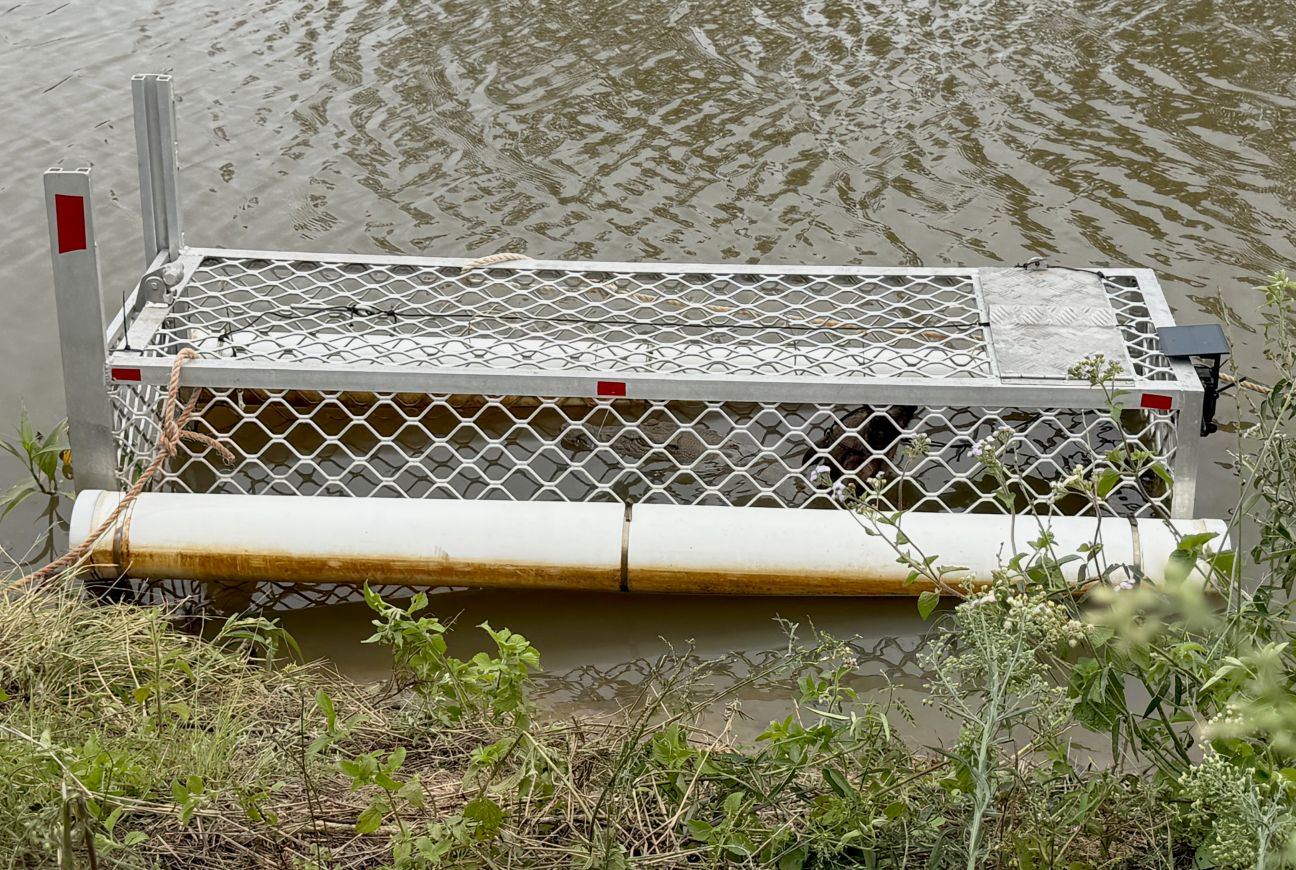
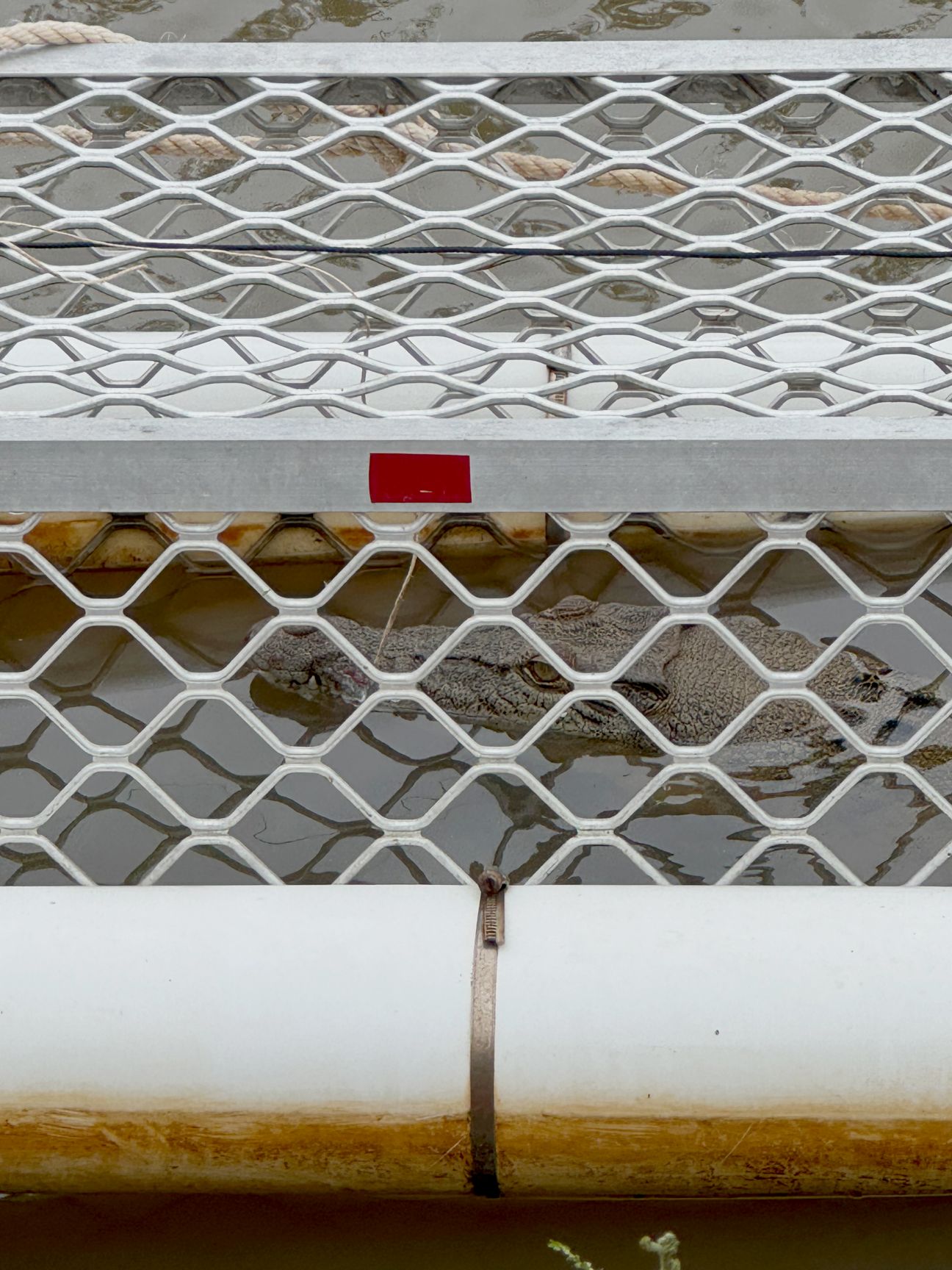
The 1.8m female has been rehomed at a crocodile farm.
A 1.8m juvenile female estuarine crocodile has been removed from the wild at Biboohra north of Mareeba on the Atherton Tablelands.
The crocodile was reported to the Department of the Environment, Tourism, Science and Innovation (DETSI) on 11 June 2025.
Wildlife rangers from the Queensland Parks and Wildlife Service assessed water bodies in the Biboohra area and located the animal in an irrigation channel.
On 24 June 2025, rangers set a baited trap and the crocodile was captured on 27 June 2025. It has been since been placed in a crocodile farm.
DETSI would like to thank the Mareeba Shire Council and people in the Mareeba area for their ongoing interest and assistance in crocodile matters, particularly those people who have submitted crocodile sighting reports.
Sighting reports provide important information about crocodiles, including their location, and wildlife rangers investigate each sighting report.
The Biboohra area is considered atypical habitat for estuarine crocodiles. All estuarine crocodiles confirmed to be present in that area are targeted for removal from the wild.
DETSI is aware of community concerns regarding the potential for estuarine crocodiles in the Barron River.
DETSI has conducted comprehensive surveys of the Barron River over the past ten years and has not observed any estuarine crocodiles, though the river is known to be inhabited by freshwater crocodiles.
All crocodile sightings should be reported in a timely manner to DETSI via the QWildlife app, making an online crocodile sighting report, or by calling 1300 130 372. Wildlife rangers investigate every crocodile sighting report received.
In September 2024, the Australian Parliament passed the Treasury Laws Amendment (Financial Market Infrastructure and Other Measures) Act 2024. This amended the Corporations Act 2001 to provide the RBA with crisis resolution powers with respect to domestically incorporated clearing and settlement (CS) facilities. These powers enable the RBA to manage or respond to a threat posed to the continuity of critical CS facility services or the stability of the financial system in Australia arising in relation to a domestic CS facility licensee.
The RBA has developed draft guidance to provide transparency about when and how the RBA would generally expect to use these resolution powers. It aims to assist CS facilities, their users, market operators and other stakeholders to understand the RBA’s general approach to resolution and the potential effects on them if the RBA decides to use a resolution power.
The RBA is inviting submissions on this consultation from interested parties by 11 August 2025. Following the consultation, the RBA will publish the finalised guidance.
A 36-year-old woman from Tasmania’s North-West has been charged with drug trafficking after her arrest near Ulverstone.
Police allege the woman had 140 grams of methamphetamine (ice) in the vehicle she was driving.
The quantity of drugs seized is equivalent to about 1400 ‘street deals’.
The drugs were found during a search of the vehicle by officers from the Northern Drugs and Firearms Unit, after police had intercepted the car on the Bass Highway, near Ulverstone, last Friday.
The woman has been charged with one count each of trafficking in a controlled drug, possess a controlled drug, and unlicensed driving and has been bailed to appear in the Devonport Magistrates Court on October 6.
Source: Northern Territory Police and Fire Services
The Northern Territory Police Force, Northern Domestic Violence Investigation Unit has charged a 57-year-old male following reports of domestic violence in May and across last week.
In relation to matters that occurred between 26 and 28 June 2025, the male was charged with three counts of Breach Domestic Violence Order.
The male has also been charged with Aggravated Assault and Breach Domestic Violence Order for an incident that occurred on 23 May 2025, and the same charges again for an incident that occurred on 21 May 2025.
He is remanded to appear in Darwin Local Court today and investigations remain ongoing.
The female victim remains in hospital in a serious but stable condition. Investigations remain ongoing into the cause of the female’s injuries.
If you or someone you know are experiencing difficulties due to domestic violence, support services are available, including, but not limited to 1800RESPECT (1800 737 732) or Lifeline (131 114).
Work will soon begin on the final stage of upgrades to Rotary Park Play Space, making the much-loved local park even more accessible, fun and family-friendly.
Last year, the City revitalised the park’s iconic fort play area and added wheelchair access to support inclusive, imaginative play for children of all ages and abilities.
The upcoming works will replace ageing play equipment, park furniture and lighting, while also improving safety with new drainage and flood control measures.
Visitors can look forward to new play zones with rubber soft-fall surfacing, inclusive features like mini-towns, climbing nets, swings, a toddler area and nature play elements.
New footpaths will connect key areas of the park, making it easier for families with prams and people using mobility aids to get around. All play areas will be covered by shade sails, and more trees will be planted to create a cooler, greener environment.
Mayor Linda Aitken said the upgrades would help Rotary Park remain a favourite local destination.
“Rotary Park has always been a well-loved place where families come together,” she said.
“These improvements will make it even easier for our community to meet, play and enjoy the outdoors.”
The concept design was guided by community feedback.
Construction is expected to start early next year.
The City of Greater Bendigo is inviting the community to celebrate NAIDOC Week 2025 at a special Flag Raising featuring a Dja Dja Wurrung Welcome to Country and Smoking Ceremony at 10am, Monday July 7 in the Bendigo Library Gardens.
This year’s National NAIDOC Week will take place from July 6 to 13. 2025 marks 50 years of the week-long celebrations and the theme, The Next Generation: Strength, Vision & Legacy, celebrates achievements of the past and the bright future ahead.
In Greater Bendigo a range of local activities will take including the Knuldoorong Art Exhibition 2025 which will launch at 5pm on Thursday July 3 at Dudley House in View Street. The exhibition will continue on Friday July 4 to Sunday July 13 from 11am to 4pm.
The Knuldoorong Art Exhibition showcases a range of artworks and pieces from First Nations artists and creatives. It includes paintings, weaving and jewellery with all artwork available for purchase.
City of Greater Bendigo Mayor Cr Andrea Metcalf said the City will also light up the Rosalind Park Conservatory in Pall Mall to acknowledge and celebrate NAIDOC Week.
“NAIDOC Week is a celebration of the history, culture and achievements of Aboriginal and Torres Strait Islander peoples,” Cr Metcalf said.
“It is also a great opportunity for all Australians to come together to celebrate Aboriginal and Torres Strait Islander peoples, and the oldest continuing cultures on the planet,
“I encourage residents to come along to the annual flag raising in the Library Garden and help celebrate this important annual event.”
For tax purposes, the main types of not-for-profits (NFPs) are:
charities
NFPs that self-assess as income tax exempt
taxable NFPs.
Depending on the type of NFP, your organisation may be eligible for a range of tax concessions. Tax concessions include:
income tax exemption
fringe benefits tax and GST concessions, and
deductible gift recipient (DGR) status.
NFPs (including charities) are organisations that operate for purpose and not for the profit or gain (either direct or indirect) of individual members. All profits must go back into the services the organisation provides and must not be distributed to members, even if the organisation winds up. They can include:
art centres
church schools
churches
community child care centres
cultural organisations
environmental protection organisations
neighbourhood associations
public museums and libraries
scholarship funds
scientific organisations
scouts
sports clubs
surf lifesaving clubs
traditional service clubs.
Governing documents
NFPs are required to maintain governing documents that demonstrate they operate on a NFP basis, including organisations that self-assess their income tax exemption. They must have and include clauses that prevent the NFP from distributing income or assets to members, both while it operates and when it winds up.
Is your organisation a charity?
Generally, charities are eligible for more concessions than other NFPs. Charities must be registered with the Australian Charities and Not-for-profits Commission (ACNC) and endorsed by us to access charity tax concessions.
be for the public benefit (other than where the charitable purpose is the relief of poverty).
Examples of charities include:
religious groups
not-for-profit aged care homes
homeless shelters
disability service organisations
universities and colleges
animal welfare organisations
artistic or cultural groups.
Charities can be further broken down into the following types:
PBIs and HPCs receive wider tax concessions than other charities. Religious institutions that are registered with the ACNC for the charity subtype ‘advancing religion’ may be entitled to access additional tax concessions.
Some NFP organisations that aren’t charities are able to self-assess as income tax exempt if they fall into one of the 8 categories outlined in Division 50 of the Income Tax Assessment Act 1997 (ITAA 1997). NFPs that seek to advance the common interest of their members and don’t benefit the broader community won’t generally meet the requirements for income tax exemption.
If your organisation is eligible to self-assess, it doesn’t need to be endorsed by us to access the concession.
NFP organisations that are not eligible to self-assess as income tax exempt are taxable, but may be entitled to special rules for calculating taxable income, lodging income tax returns and special rates of tax.
Taxable NFP organisations may have to lodge an income tax return or notify us that one is not necessary.