Join the Australian Medical Research Advisory Board

Source: Opinion piece: Economic Reform Roundtable – a stronger, fairer and more productive economy

Expressions of interest are open for the Australian Medical Research Advisory Board (AMRAB). This is a valuable opportunity for distinguished researchers and professionals to contribute to the strategic direction of medical research in Australia. Nominations close on 9 November 2025.

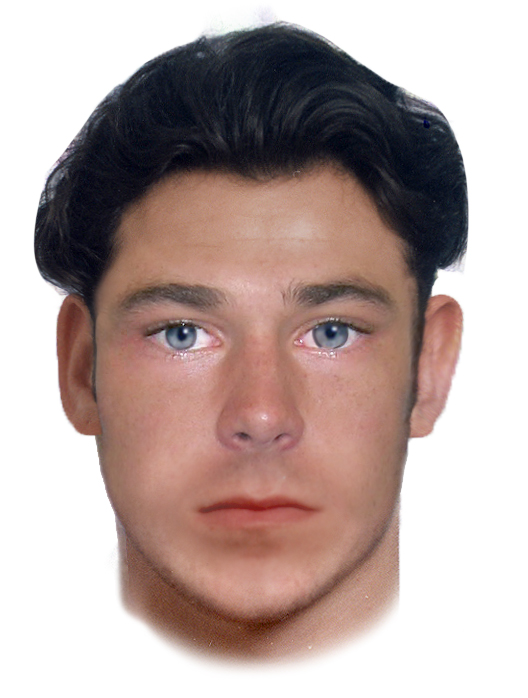
Arrests – Aggravated burglaries – Alice Springs

Source: Northern Territory Police and Fire Services

The Northern Territory Police Force has arrested three males following multiple incidents in Alice Springs overnight.

Around 10:30pm, the Joint Emergency Services Communication Centre (JESCC) received a report that three males allegedly attempted to break into a store on Flynn Drive using a battery-powered grinder. The attempt alerted security, who attended the scene, causing the offenders to flee on foot.

A short time later, the JESCC received a report that three males were spotted in the backyard of a residence on De Havilland Drive removing CCTV cameras from the house. A 33-year-old woman and her two children were inside the residence at the time and were able to secure themselves in a room to contact police. The woman verbally confronted the offenders, causing them to flee the area, stealing the CCTV camera in the process.

Following this, the JESCC received reports that a residence on Arvo Crescent was unlawfully entered, with the offenders allegedly stealing alcohol before fleeing. 

Around 11:20pm, general duties officers observed three males running into Araluen Park and, after a short foot pursuit, two males aged 14 and 22 were apprehended. The third male fled the scene; however, the 14-year-old has since been arrested.

All three offenders remain in police custody, with charges expected to follow.

Police urge anyone with information about the incident to make contact on 131 444 quoting reference number P25282035. Anonymous reports can be made through Crime Stoppers on 1800 333 000 or via https://crimestoppersnt.com.au/.

Sydney-Melbourne Aura Network (formerly Intercity Fibre) Launch Event

Source: Australian Ministers 1

MINISTER FOR COMMUNICATIONS ANIKA WELLS: Thank you, Vicki Brady, for the introduction. 

I’d like to acknowledge the Traditional Owners of the land on which we’ve gathered today. I pay my respects to their leaders, past, present and emerging, and I extend that respect to any First Nations people with us today. I’d like to acknowledge elder Mr Allan Murray. And I’d also like to acknowledge Steven Worrall – the CEO of Telstra’s InfraCo.

Today is a big day. 

It marks a massive change for data transmission across our nation. Thanks to Telstra’s Aura Network, our two biggest cities, Sydney and Melbourne, will have new high-speed fibre connectivity. To everyone involved in this landmark project – congratulations. This project will make higher speeds, greater data capacity and lower lag-times a reality for millions of Australians who use the internet to work, to shop, to do business and to access education and healthcare. And it’s just the first stage of boosting connectivity between Australia’s cities, our regions and global networks, through better integration with international submarine cables and satellite ground stations.

It is critical that a country as vast as Australia prioritises connectivity, which is why I am particularly excited about the benefits this project will bring for our regions. The ability for Aura’s foundation path to have ‘on and off’ ramps into regional and remote communities will create real opportunities for economic development, education and healthcare.

Connectivity is crucial in a country as vast as Australia which is why we continue to invest in the Government owned NBN to upgrade premises currently using outdated fibre-to-the node fixed-line technology to faster, more reliable broadband. 

We also work directly with telcos like Telstra to improve coverage throughout Australia in a range of ways like through the Mobile Black Spot Program.

Connectivity is not a nice to have – it’s a necessity – and new technology like the Aura Network provides an amazing opportunity to ensure more people have better access to services.

Looking at the economy more broadly, projects such as the Aura Network are helping to deliver the free-flowing digital highways of the future. These highways provide the main links between big cities and off-ramps to the regions and are key to Australia’s future productivity. They are necessary to respond to technological changes, such as AI.

The Treasurer’s recent Economic Reform Roundtable identified AI as a national priority. Our focus is on ensuring that Australia can capture all of AI’s benefits while mitigating the risks. And that our digital infrastructure is ready, resilient and reliable for the businesses, the industries and the consumers that rely on it. 

There are new opportunities in the digital economy – new industries and new markets that Australia is well-positioned to take advantage of. The data centre market, for example, is rapidly expanding off the back of surging digital activity, AI and increased cloud services. And Australia is emerging as a global hub for data centre investment in the Asia-Pacific. Major global and local companies are now investing heavily in data centre infrastructure. 

Capacity is projected to more than double before 2030, and demand is expected only to grow as we adopt new AI tools and workloads. Industry investment is a vital component for connectivity in Australia. 

Quantum Technology is another area with significant potential. It will deliver new possibilities in medical and scientific research, in areas like advanced GPS positioning, sensing and environmental monitoring. 

The true potential of this research and its applications can only be realised with the right digital infrastructure. It relies on the high-performance fibre optic cables that projects like Aura can provide. 

Like I said – today is a big day. 

Telstra’s Aura Network is such a vital and exciting project. I look forward to watching this project as it continues to better connect Australia. 

Once again, congratulations to everyone involved.

National Road Transport Technology Strategy plots a course ahead

Source: Australian Ministers 1

Today, the Albanese Government, on behalf of Australia’s infrastructure and transport Ministers, has released the National Road Transport Technology Strategy, setting out a nationally consistent approach to technology deployment and adoption in the road transport sector.  

With the automotive industry rapidly changing with greater vehicle connectivity and automated driving technologies, this strategy will support the responsible adoption of these road transport technologies. 

The Government recognises that these new technologies can help improve road safety and reduce fuel and energy use, but with this comes greater safety, privacy and cyber security risks. 

The National Road Transport Technology Strategy outlines the policy, regulatory and investment roles of governments in supporting new road transport technologies, and provides a set of nine principles to guide nationally consistent decision-making across all jurisdictions.

Through the strategy and action plan, the Federal, state and territory governments are working together to ensure the community gets the best out of these technologies and the risks are managed. 

The 2024-27 National Connected and Automated Vehicle Action Plan, which is being released alongside the strategy, sets out the national priority actions the Australian, state and territory governments will work on through to 2027. 

This includes continuing work to develop a national regulatory framework for the safe operation of automated vehicles. 

The strategy also supports the rollout of connected road infrastructure that can ‘talk’ to vehicles and other road users by developing a national Cooperative Intelligent Transport Systems (C-ITS) roadmap. 

This strategy was endorsed through the Infrastructure and Transport Ministers’ Meeting (ITMM). ITMM is ensuring Australia is ready to maximise the benefits these technologies have to offer.   

The National Road Transport and Technology Strategy can be accessed here.

Quotes attributable to the Minister for Infrastructure, Transport, Regional Development and Local Government, Catherine King: 

This action plan will help identify any gaps in Federal, state and territory government laws to ensure that these systems are helping keep Australians safe on our roads. 

“This builds on existing work of the Albanese Government to ensure these new technologies are fit for purpose, including the Australian Cyber Security Strategy that outlines possible risks of emerging tech. 

“We know as technology in vehicles progresses, it is important we keep relevant frameworks up to date.”

Albanese Government invests in Western Australia urban precincts

Source: Australian Ministers 1

The Albanese Government is investing $6.5 million to help connect local communities in Western Australia and build their economies as part of the urban Precincts and Partnerships Program (uPPP).

The City of Armadale will receive $5 million for the construction of a new public space, ‘Central Park’, next to the new Armadale train station.

The project will create a vibrant and inclusive community area with spaces for events and integrated pedestrian and cycle links.

The City of Canning will receive $1.5 million for the Canning Rail to River Precinct.

This project is part of the City Centre Regeneration Program and includes planning for works around Coker Park and Wharf Street. This will deliver a gateway linking the Canning River with public transport.

The urban Partnerships and Precinct Program (uPPP) will see over $150 million invested nationally helping deliver transformative investment in urban precincts to help grow local economies and communities.

This program is another demonstration of the Albanese Government’s commitment to local communities. They will be delivered by the City of Armadale and the City of Canning.

For more information on the program visit infrastructure.gov.au/urban.

Quotes attributable to Infrastructure, Transport, Regional Development and Local Government Minister Catherine King:

“Our cities and suburbs are growing. These projects show how governments, businesses and communities can work together to create spaces that can meet the growing demands of a community and appeal to tourists and locals alike.

“I look forward to these two projects getting underway and making Canning and Armadale even greater places to live and work.”

Quotes attributable to Member for Burt Matt Keogh:

“The Albanese Labor Government is supporting our growing outer suburbs with a $5 million investment in the Armadale Town Centre.

“This ‘Central Park’ project will make our Armadale town centre more vibrant, accessible and welcoming for local families, and safer for everyone using the new Armadale train and bus station.

“The Armadale ‘Central Park’ project will create play areas, community activity space and increase public green space, enhancing youth engagement, and helping to build a sense of belonging for our local community and visitors alike.”

Quotes attributable to Member for Swan Zaneta Mascarenhas:

“From the train to the river – this project will connect locals and bring new energy to Canning. With three great local schools, the Cannington Leisureplex, and new METRONET stations nearby, the plans – supported by a $1.5 million grant from the Albanese Labor Government – will create even more opportunities for visitors and locals to enjoy everything our community has to offer.

“The Canning Rail to River precinct shows what’s possible when councils, communities and the Commonwealth work together. It is about creating vibrant, connected spaces that reflect the needs of locals.”

Exhibitions to tour Australia

Source: Australian Ministers 1

Australia’s most cherished collecting institutions will share their exhibitions right across the nation.

Thanks to the Albanese Labor Government, 14 captivating exhibitions will make their way to museums across the country.

This includes the development of five brand new exhibitions showcasing a wide-range of displays from Australia’s political and pop culture history to visual arts, photography and First Nations culture.

The National Collecting Institutions Touring and Outreach Program provides annual funding available to nine national collecting institutions to assist in touring their collections across Australia. Through this year’s funding, exhibitions will be developed and toured by eight institutions to 24 venues.

Minister for the Arts, Tony Burke, said the exhibitions would give more people an opportunity to learn about Australian stories.

“Our national collecting institutions belong to everyone. This program provides an opportunity to share some of our best treasures with audiences right across the nation.”

“The latest exhibitions explore fascinating aspects of our history, art and culture giving audiences a chance to experience them firsthand.”

Exhibitions include: 

National Portrait Gallery of AustraliaMīal by Archie Moore is a conceptual self-portrait containing 34 panels of various sizes that can be exhibited at a variety of scales with some or all panels on display. Each panel relates to a part of the artist’s body and is named in his Ancestral languages.

National Archives of Australia‘In real life: Inventors, innovators, and opportunists’ celebrates the objects and inventions that have shaped the lives of Australians for over a century. Drawing on the significant design, patent and trademark records held by the National Archives of Australia, along with props and objects, this exhibition explores homegrown heroes like the Hills Hoist and imported icons like Kellogg’s Nutri-Grain.  

Museum of Australian Democracy Behind the Lines 2025. An annual exhibition that showcases the best Australian political cartoons from the year. It celebrates Australia’s unique, vibrant and fearless tradition of political cartooning, and includes historical political cartoons from Museum of Australian Democracy’s collection. 

National Film and Sound ArchiveFighting Spirit: The Art of Boxing. This exhibition explores the story of boxing in Australia told through the lens of art and screen culture. It uses portraits and audio-visual media to capture the fighting spirit of Australia’s boxing greats and reflects the influence the sport has had on Australian society and culture. It features rarely seen footage from the National Film and Sound Archive with artworks from the National Portrait Gallery of Australia.

More information about the program is available here.

Images and their correct attributions can be found here

Press conference – Armadale, WA

Source: Australian Ministers 1

PREMIER ROGER COOK: Thanks very much for coming everyone, I’m joined by the Minister for Transport, the Honourable Catherine King MP, the Minister for Transport in this state the Deputy Premier, Rita Saffioti. Matt Keogh is here, the Member for Burt and a whole bevy of local members but in particular, Tony Buti, the Member for Armadale, and Hugh Jones, the Member for Darling Range. Look we’re here to celebrate the next opening of the great transformational project which is METRONET. And METRONET has transformed the face of Perth. It has transformed the way people live, the way they move around, the way they access education, when they access training, the way they access jobs. And this is such an important part of this incredible public transport program, which will be a legacy of the WA Labor Government. It’s made travel more affordable, it has taken cars off our roads and created 1000s of jobs during the construction phase. We know how important our expanding public transport network is, and it will be in a couple of years to support Western Australia’s booming economy and growing population. Western Australia is the strongest economy in the country. It’s the fastest growing population in the country. So that is why we need to continue to make sure we provide the infrastructure that Western Australians deserve, maintaining our strong economy, making sure Western Australia remains an incredibly great place to live, and that’s why my government has given Western Australians living in Perth’s southeastern suburbs more travel choices with the delivery of the Byford Rail Extension and the reopening of the Armadale line, as Matt says, “at last, we can catch the train to footy once again!” It’s also given more opportunities to get outside and to engage, what this does is remove huge amounts of bottlenecks in relation to level crossings. It’s creating new activated areas, and it will be a boom for the development of real estate and living amenity right along this whole southeastern corridor. Today marks the delivery of every METRONET station we committed to in the 2017 state election, with the Midland train station to be completed very, very shortly. It demonstrates my government’s commitment to making public transport more affordable and more accessible for all Western Australians. 

CATHERINE KING: Thanks so much Premier. What a fantastic day. It is so delightful to be here with my state colleague, Rita Saffioti. She’s done an amazing job, and I do want to pay tribute to her. Matt Keogh, a federal member who cares deeply about communities here and in what has happened. But what a celebration. METRONET has been a terrific partnership between the Albanese Labor Government and the Cook Labor Government to actually not just build a rail line, to build fantastic transport services but we are building cities and suburbs. Very importantly here at Armadale, whilst we’ve got an amazing train station, an amazing opportunity for people to connect into the City and into other communities, we’ve also given the community back public space, the fact that you’ve got Long Park, a park underneath this railway station for people to be able to cycle, to walk, to exercise, to play with their kids. What an amazing legacy that that leaves. Making an opportunity for new people to move into this suburb, and very much be part of this suburb. Now, this project has been an enormous undertaking. The whole project, you’ve got obviously a brand new train station at Byford that we’re about to see, a new world class elevated station here at Armadale, removal of nine pedestrian road level crossings, providing much improved connection with public transport. It’s had throughout the project, 22,000 sleepers, 40,000 tons of crushed rock, 72 kilometres of overhead wiring. It is an enormous engineering effort. Extraordinary. The construction workers of WA should be so proud of the legacy that they have left for communities of this build infrastructure. I’m really delighted that part of this project, we’ve also got the opening of Long Park, its newest and longest linear park, and as part of that legacy, I am announcing today, the Albanese Labor Government, in partnership with the City of Armadale, is providing a further $5 million for the Armadale Park to really finish this precinct off and ensure that that green open space is there, available for the community, but particularly, what an incredible place to be able to live and raise your kids. So housing, we expect to see more and more of that grow here through Armadale, great amenities and that $5 million alongside is being provided out of the Albanese Labor Government’s urban Precincts Partnerships Program, as well as also a new project out at Canning, which is the Canning River Rail Project, which we’ll announce later today as well. But we are so delighted to have partnered with the Western Australian Government on what is, frankly a city shaping, city changing project, and so delighted that that 2017 vision of an election commitment, you can just see what an unbelievable change that that has made with the Labor Government to really invest in public transport for the future of this great city. 

RITA SAFFIOTI: Thank you Catherine and thank you for the Federal Government’s support for this incredible project. At the 2017 election, we took commitments to people of Western Australia, and one of the key commitments was METRONET rolling out the new rail lines. We’ve opened the airport line, Yanchep line, the Ellenbrook line and, of course, the Thornlie-Cockburn link. And this is the last rail line to open as part of that METRONET vision, the extension of the rail line of eight kilometres to Byford. The creation of the new Byford station, revitalisation of, the upgrade of the new Armadale station. And as you can look around and see the world class infrastructure that we’re delivering here in Armadale. Of course, you have elevated rail. And I would say there were a lot of sceptics about elevated rail in relation to what you do to the city centre. But as you can see, it’s all good. It’s a huge benefit. We free up community, open space through Beckenham to Carlisle, is a seven kilometre long park which will be opening later today here in the city of Armadale. As you can see there’s beautiful connectivity from one side of the tracks to the other side of the tracks, as we’ve just heard, great for the City of Armadale, a park here that will be entertaining and engaging for young people. $5 million from the Federal government. So you create places for people to meet and to recreate. So this is one of the benefits of elevated rail. Seven vehicle level crossings removed as part of this project, making it safer and far more connected from one side to the next. In relation to the entire project, the extension to Byford [indistinct] and we continue to work to, as I said, to finish the part here. Can I thank all of the community who waited two years, just under two years, for this project. We shut down the rail line in November 23 and we know that was a challenge for all the community, but I want to thank very, very deeply, the people of this corridor. You know what? They got on with it. They caught the buses and they got on with it, and we offered the free public transport, but they got on with it. I thank and recognise the people of this corridor who understand that with every great project, there will be disruption. And we thank you for the bottom of our hearts, people of this community. Now, of course, we also want to thank the contractors, my agency, all of the contractors through Melconnx. Thank you for all of your work. This was a big project. This was a massive project. Another part of the project, which we haven’t spoken about is actually the revitalisation of the rail network between Kelmscott and Beckenham. So we’ve relayed the sleeve pillars, new ballast and upgraded the infrastructure throughout the area as part of that shutdown. So again, a lot of work. As I said when I grew up in the hills, Byford was a place that you went through. It wasn’t a destination. Now we know Byford is a major destination for new home buyers. There’s a new shopping centre precinct, and it’s continuing to develop. This new infrastructure means that people along this corridor have access to world class infrastructure, 46 minutes from Byford to the city centre, a brand new world class station. Beautiful connectivity has been highlighted. This is the canvas for more housing and more economic activity in this corridor we’re very proud to be completing the final roll out.

JOURNALIST: Treasurer, how are you feeling, sad that this project is now wrapping up? 

RITA SAFFIOTI: I always say this, the first couple of years was very, very tough when basically you’ve got a massive agenda. And the first two or three years in particular, getting the planning underway, negotiating the funding, then we went through COVID. It’s been a tough, tough era to deliver infrastructure. No one could have foreseen some of the conflicts through both Russia, the Middle East, in particular, COVID, this was all, we were delivering, through that era. So relieved, but very sad. Because, you know, this would have been every morning I’d wake up and to see how these projects are going. Got one more left, well, actually, two in the first few months of next year, we’ve got the Midland station, and then [indistinct] on track with the new locally made rail cars. Sad, but also relief and very happy that we are managing to deliver this term. 

JOURNALIST: There’s been those well documented cost increases and time blowouts. Is it worth it? Are you kind of banking on voters to kind of forget it in three years time?

RITA SAFFIOTI: Well, voters went to the election just a few months ago, actually just six months ago, and they voted with their feet for our infrastructure program. There’s no doubt they love that we’re building infrastructure, not just for today, but moving for tomorrow. And what you’ll see is infrastructure, like rail lines, like roads of course, but more so starting the top of highway extension as well. We’ve done all of this work, all of this work for as I said, not for us. It’s a community asset. Public transport is a community asset. It will outlast me, it will outlast all of us. It’s for future generations, and there’s a pride with the Armadale, Byford and South East community that they have received a world class train station, and as I said, they have had to deal with the shut rail line for just under two years. They’ve done so, and I acknowledge and appreciate their patience. But in relation to that, there’s always teething issues with every rail set. I think the A series had to be taken offline for a few months, so there’s always teething issues. Look, I just find it quite bizarre that somehow the Liberal Party is arguing for foreign made trains. That’s what they’re doing. So the question for them is, are they going to rip up the contract? If they don’t believe in locally made trains are they going to rip up the contract? 

JOURNALIST: [indistinct]

RITA SAFFIOTI: The Liberal Party never believes in WA. They’re not insulting this government. They’re insulting the workers and the small businesses, [indistinct] engineering, for example, a world renowned engineering firm. They’re criticising, as I said, this is a criticism of the hundreds of workers, Western Australian workers, and over a dozen small businesses. That’s who they’re criticising. And maybe they should talk to [indistinct]. 

JOURNALIST: [indistinct]

RITA SAFFIOTI: As I said, I do look at all the supply chain interruptions. The other thing too is we did expand the scope. Because what you look at is making this for future generations. One criticism is that you build things and then they become out of date or too small. That’s been the criticism of government. As you can see, this is a station that would accommodate not to [indistinct] also putting through those challenges. But again, I ask him to look at what we’re delivering compared to over in the east, other states. I won’t bag them, not in front of our federal minister.

But on a value for money basis, what we are delivering is the most affordable rail system across the nation. So if you look at all the statistics, and I’ve got plenty to share around, if people want to look at my graphs on a cost per kilometre basis, we are delivering the most affordable. Now METRONET, the train lines, the train stations and the new car parks has cost $10. 6 billion. There’s projects over there that cost 20 billion, or actually more than that, just for one rail line. I mean, we are, we have delivered the most affordable, and all the other states. When you go and talk to them, they’re asking, how can we deliver at such a good value? I’m very proud that over nine years, eight and a half years, this state has delivered the most transformational public transport project in our history and cut net debt.

JOURNALIST: What are the lessons that you take from those that you just said about time and budget that you then take into those, I guess as you start looking like a ferry network and other aspects of transport. What are the lessons that you take from here that didn’t work well, that you have to fix the next time?

RITA SAFFIOTI: We learnt pretty early about integrating, like having an area of expertise to oversee projects. So that’s why we created the Office of Major Transport Infrastructure Delivery. So the lesson learned was to continue to have an area of expertise that can deliver rail lines, but also hospitals and other major projects. So OMTID is all about an area of expertise that oversee design and delivery and making sure we have strong integration between design and delivery is something that we learned very early on. We’ve integrated it in our METRONET projects, and we’re also now putting it to produce in our hospital projects, where we make sure design and delivery are very much linked, and that will help prevent [indistinct]. 

We’re seeing new housing developments every week, and we’re seeing [indistinct]. As I said, growing up in Roleystone, heading to the South West, Byford was somewhere, it was a rural township that you went through now it’s a major housing precinct, first home buyers, we’ve got the schools, we’ve got all the facilities. So it’s a great place, and we’re going to see more people moving to this corridor.

JOURNALIST: Minister, just quickly on the WWE this weekend. Do you have any numbers on how many people tuned in? And was there as much of a success?

RITA SAFFIOTI: The feedback we’ve had so far from the WWE organisers is that it’s actually more successful than Elimination Chamber, which is quite interesting. Elimination Chamber was a bigger production. I think the fact there were three events over a period of time has meant there’s more people coming, staying longer, and we’ve got figures like 1000s of people coming from interstate. You’ve seen, they’re not shy in buying merchandise, and feedback from the merchandise store was, and the WWE organisers, who were watching merchandise sales, was one of the biggest merchandise sale in their history on the first day of our opening. So it’s just so so so big. So our feedback has actually been more successful than even last year in relation to international visiting, so interstate international visitation, length of stay, merchandise and because of the three events. So we know WWE fans. They are passionate. They love their WWE and they go all out and really create an incredible community event. I haven’t seen the city this full in a long time.

CATHERINE KING: I might let Matt just say a few words first.

MATT KEOGH: Thank you. Premier. Thanks Deputy Premier and Minister for Infrastructure and Transport. It’s great to be joined here by Tony Buti, the local member for Armadale, Hugh Jones, the local member for Darling Range. The Armadale Railway Line is over 100 years old, and yet today it is brand new. My community, Kenwick, all the way down to Byford, has been tracking on this project for a long time. They’ve had great patience. They’ve adapted to other points of transport because they know just what a game changer this project is. It’s going to mean that the suburbs and towns all along this railway line that really built up around those train stations and those town centres are going to be even more vibrant with the reopening of this railway line. It means school kids will be able to get to school easier. Means people will be able to get to work, to university to TAFE quicker and easier. It’s going to open up better transport connectivity for our south eastern suburbs once again, and it’s a great demonstration of the strong partnership that exists between the Albanese Labor Government and the Cook State Labor government here working to support our outer metropolitan suburbs getting the connectivity that they need and deserve. We recognise how important that is, and that’s exactly what this project is delivering on. And we’re doubling down on making sure that we’re creating vibrant communities out of the work that’s been delivered here through METRONET with our $5 million commitment to the Armadale Central Park just outside the Armadale Train Station. Here, myself and Tony have been working strongly with the mayor of Armadale, Ruth Butterfield, the Deputy Mayor of Armadale, John Keogh, and all the councillors, to make sure that we’re able to deliver, in partnership, on a great project that will create an even more vibrant town centre, that will attract people into the town centre, and also mean when they’re coming and going from the train station, they’ve got an attractive environment, one where kids can play, where there’s playgrounds, where there’s other amenity, where there’s green open space, connecting this very important train connection into the centre of Armadale as well. This has been a game changing project. We’ve been tracking it for some time, and our entire communities are so happy.

JOURNALIST: Alan Bell says Optus should be banned from government contracts like PWC. Do you agree?

CATHERINE KING: Well, obviously, in terms of the Optus outage, there are a number of investigations that are currently underway, but be in no doubt, the Government is furious about what has happened, and rightly, the public are furious about that as well. And we are absolutely determined, the legislation was introduced into a Parliament this week that the regulatory system is strengthened so that this does not happen again. 

JOURNALIST: Will Labor support a senate inquiry?

CATHERINE KING: Well again, that would be a matter for the Minister for Communications to make that decision. But as I said, the Government furious at what has happened. It is unacceptable. We are doing, there are several inquiries underway. We have introduced legislation into the house to strengthen the regulatory system, but be in no doubt, we are absolutely furious.

JOURNALIST: How big a role will Western Australia play in the critical minerals deal with the US?

CATHERINE KING: WA is the critical minerals state, and obviously seeing reporting today that work has been underway for some time on our critical minerals strategy. We’ve had an abundance of [indistinct] we should be capitalising on that [indistinct]

JOURNALIST: On the Qantas hack [indistinct]

CATHERINE KING: [indistinct] and they are after our data. So it is incumbent on agencies that have this data to protect it as strongly as they possibly can. In relation to the Qantas hack, obviously, data has been released from that and obviously a number of other companies were involved overnight on the dark web. If you are concerned about that, in the first instance, you should contact Qantas. They will provide you some advice about what has been released and used and what to do to protect yourself. But also, the Government has done a lot to strengthen cyber security throughout its time of office, and will continue to do that, but we have to be constantly vigilant. These people are clever. They are persistent, and they are everywhere. And so what I would say to people who have been subject to that, I have been, my data has been subject to that as well, as a Qantas user as well, is that, be careful. Change your passwords. Watch out in the coming weeks, days for old emails that pop in. Never click on the blue links. Never, ever, ever, form any email that you don’t know anything about. If you’re really concerned, you can contact the Cyber Security website and have a look there. People need to be vigilant at the moment.

JOURNALIST: And as well, the personal records of 5 million Qantas customers [indistinct]. Is the Government going to step in and assist, and will there be any penalty for Qantas for failing to secure the information?

CATHERINE KING: Well, obviously, in terms of the cyber security investigation, I’ll leave that to the relevant Minister to talk about that, but it is incredibly disappointing. I’m one of them. There are 5 million Australian customers that have had their data released on the dark web. Qantas is providing advice to people, but the best advice that we can give to people right at the moment is change your passwords, make sure you don’t click on any links if you get any suspicious emails, and do all of the things you can, two factor identification on all of your systems to make sure you’re as secure as possible. And in relation to Qantas, I’ll leave that to them.

JOURNALIST: At the WWE event last night they sang the American national anthem first which got a booing from the crowd. I guess what are your thoughts? 

ROGER COOK: Look the order of proceedings is a question for WWE, but can I just say it’s not all right. It is never all right to comment or make noises negatively about other countries.

JOURNALIST: [Indistinct]

ROGER COOK: They will have oversight of the final design details, which will probably be sort of another party as part of the of an ongoing Expression of Interest process around the final architectural designs. [indistinct] will be responsible for understanding a high level design of this, particularly if it’s integrated with the Perth Concert Hall, which is undergoing a major facelift under my government. At the moment, the Aboriginal Culture Centre is an opportunity to not only celebrate culture, not only to practice culture, but to showcase culture. And it will be an amazing opportunity for both locals, visitors and Aboriginal people to immerse themselves in the most incredible, ancient culture which underpins our entire society.

JOURNALIST: It’s been discovered in the hacking of the legal practice board that clients’ data was stolen, and they haven’t yet released how many people have been impacted by this. What are your thoughts on that? 

ROGER COOK: Well, look, the Legal Practice Board is an independent statutory authority through the registration so they [indistinct] government, but the legal practice will I understand, has been working with the cyber security team and see what more they can do to protect both its members and its clients. It’s another reminder that everyone who has personal data on behalf of the other individuals must do so in a way in which safeguards their privacy. It’s so important that organisations, companies, governments all take extra steps to make sure that we protect our cybersecurity.

JOURNALIST: What kind of conversations have you had in relation to critical minerals? 

ROGER COOK: Oh, look, critical minerals remain a key focus for my government. Just about every critical mineral, which is on [indistinct] so we understand the critical and strategic role that Western Australia will play as part of the Federal Government’s critical mineral strategy. We’ve been working very closely with Minister King on what roles we can play. I’ve been to Japan just recently, [indistinct] we have delegations from overseas all the time, people interested in securing global supply chains, so we understand the important role, not only regional security, but for sovereign manufacturing capability right across the country. Thank you so much.

Major milestone for Coffs Harbour Bypass as project hits halfway point

Source: Australian Ministers 1

The Coffs Harbour Bypass has reached a major milestone, with more than half of the project’s 21 bridges now completed – marking significant progress on one of the largest regional infrastructure projects on Australia’s east coast.

At 250 metres long and about 16.5 metres high, the twin bridges over the north coast railway line are the longest and highest for the bypass. 

With the piles, columns and headstocks complete, work has now begun to install 70 massive Super-T girders using a 600-tonne crane, which is the largest to be used on the project.

The Australian and NSW governments are jointly investing $2.2 billion in the 14 kilometre Coffs Harbour Bypass, which will boost the regional economy, improve road safety and connectivity, and reduce travel times by up to 12 minutes by allowing motorists to avoid 12 sets of traffic lights through Coffs Harbour’s CBD.

The project has already delivered local benefits, including the recently opened Luke Bowen Pedestrian Bridge, providing safer crossings and honouring a local boy whose memory continues to unite the community.

By the end of 2025, only three bridges will remain under construction, with the final asphalt surfacing to be laid across all road bridges before the bypass opens to traffic in late 2026, and full project completion expected in late 2027.

Quotes attributable to Catherine King, Minister for Infrastructure, Transport, Regional Development and Local Government:

“The Coffs Harbour community have been promised this project for a long time, so it’s really welcome to see bridge construction on the bypass pass the halfway point.

“Labor Governments have delivered legacy infrastructure like the Kempsey Bypass which cut travel times and removed trucks and traffic from the town centre.

“We’re now a step closer to doing that again, right here in Coffs Harbour.

“The completed project will be a big boost for Coffs, and will mean a safer and more efficient drive for motorists heading up and down the upgraded Pacific Highway.”

Quotes attributable to Jenny Aitchison, NSW Minister for Roads:

“Well done to the Coffs Harbour Bypass team on this major milestone.

“It’s incredible to see how quickly this project is taking shape.

“This project is just one part of our efforts to build a better NSW.

“Once complete, the Coffs Harbour Bypass will ensure families spend less time in the car and more time with their families.

“It will speed up the region and improve journey times to health, education and essential services. 

“But this project isn’t just about faster travel times, it’s also about protecting local waterways, flora and fauna, and maintaining local access for motorists and pedestrians.

“Alongside the M1 to Raymond Terrace extension, the completed bypass will mean people can travel from Sydney to Brisbane without hitting a single set of traffic lights – a gamechanger for regional connectivity, freight operations and road safety.”

Doorstop, Melbourne

Source: Australian Ministers 1

MEMBER FOR MENZIES GABRIEL NG: So, we’re lucky in Menzies to have some fantastic schools that people move into the area for, some of the best state schools in Victoria.

So, without further ado, I’ll hand over to the Communications Minister. Thank you.

MINISTER FOR COMMUNICATIONS ANIKA WELLS: Thank you, Gabe. It’s great to be here with Gabe, one of our absolute stars of class of 2025, who is not just extremely talented but diligent. Straight on my case, please come to one of my schools, East Doncaster Secondary College, to talk to the kids about some of these big, important policies that are leading the world, that will change their lives, hear their experiences, and answer their questions about what the impacts will be for them. So, it’s a pleasure to have done that this morning. Some very bright sparks in the media class asking us about what not just the social media ban looks like, but about media regulation, the future of news media in this country, and Gabe and I are the richer for having spent some time with them this morning.

These social media laws are world-leading, and when we went to the UN several weeks ago, it was significant how many other countries wanted to engage with us about the how and the why of what we are doing. These laws will not mean perfection, but they will mean a significant and meaningful difference, and they will spread cultural change across 13 to 16-year-olds in this country.

Unfortunately, seven out of 10 young Australians have seen things online that they shouldn’t have, that has done them harm. That stat is too horrifying to ignore, and so we have acted. And the social media laws are now less than two months until they come into law, into implementation, and we are working through all of that. I met just yesterday with the platforms about what this looks like for them, any questions they had of us ahead of their obligation to deliver on 10 December.

And today, we are also announcing a national advertising campaign that commences on 19 October. It’s called For The Good Of, and it means for the good of our kids. We’re doing these things, ultimately, for the good of young people in Australia. It will span television, radio, digital. We just asked the kids if there’s anywhere else and anything else we should be thinking of, and we look forward to continuing that conversation. But in the meantime, happy to take any questions.

JOURNALIST: Where will the young people be seeing this advertising campaign?

WELLS: There will be some on billboards near schools around the country. They’ll see it on TV. They’ll see it online. They’ll see it, ironically, on social media, because until the 10th of December, it is legal for kids to be on social media. And if that’s where they are, that’s where we need to talk to them about what this means and why we’re doing it.

JOURNALIST: How are they feeling about losing access to social media, those students you spoke to?

WELLS: Look, the vast majority of students that I speak to are happy and grateful that these laws are coming in. It’s not the case for everybody. I think we’re particularly attuned to the fact that people who are 13, 14 and 15 are having something taken away, rather than kids who are under 13 who will just meet the new law as it exists. And also, for kids who are 16 or over who may be suffering harm online but won’t actually have their account taken away.

We’re cognisant of all that. We’re working through all that, and occasions like today are opportunities for Gabe and I to ask kids, particularly those aged between 13 and 16, if there’s anything that we haven’t considered that we should be considering, and anything that we might not be doing that we should be doing.

JOURNALIST: It surprises me that they’d be grateful to lose something like this, knowing teenagers myself.

WELLS: Perhaps grateful is too strong a word, but a sense of gratitude that something that I think at the moment you are socially isolated for opting out of. This is something that everybody is online, a sense that if you don’t have your own TikTok account you are missing out on something. I think the gratitude is that this law applies to everybody, and that everybody will face the same cultural expectation that kids are not online on a social media account between the ages of 13 to 16.

I think the sense that everybody will be facing a new world, everybody will need to interact with each other face to face the way that people used to do, I think is ultimately seen as a good thing. When if you also ask those same kids, I suggest they’ll be able to tell you about harms they or their friends have experienced online as well.

JOURNALIST: The campaign really targets parents, but will there also be materials targeting children specifically?

WELLS: Yes, that’s right. And you will see we’re previewing some of that for you today. Because we are announcing the National Awareness Campaign and those materials will be on TV, be on air from Sunday from the 19th of October.

Because this is an awareness campaign as well as acting to regulate online harms. It is not the case that the buck stops here. It is the case that this is the first tranche of reforms in online safety. Once we land these reforms on 10 December, once the platforms comply with Australian law come 10 December, the next space we’re moving into is digital duty of care, which looks at what obligations platforms who have customers on Australia, who seek to transact business and make commercial revenue in Australia, what obligations they have to their customers. That is digital duty of care.

JOURNALIST: Did you compel the social media giants you met with to come to yesterday’s Senate inquiry, and do you support plans to subpoena them?

WELLS: As a humble, hardworking member of the House of Representatives, what happens in the other place is not for me to compel – I think is the word that you used there. I absolutely met with digital platforms yesterday because, ahead of 10 December, the eSafety Commissioner and I wanted to make ourselves available to answer all of their questions and help them work through any last concerns they had about how they deliver on their obligations come 10 December.

JOURNALIST: So, they weren’t compelled …?

WELLS: Like I said, that’s a Senate inquiry, so you’d have to speak with the chair of that particular committee.

JOURNALIST: And are you talking to Meta about news bargaining and incentive laws?

WELLS: The Assistant Treasurer Daniel Mulino who has carriage of the News Media Bargaining Code who works collaboratively with myself, with news media stakeholders, continue to do work in that space because it’s important and we can all agree upon that.

JOURNALIST: Who exactly did you meet with yesterday?

WELLS: Yesterday, I met with Snapchat, I met with Meta and I met with TikTok.

JOURNALIST: And who were the representatives specifically?

WELLS: I am not going to name individual names.

JOURNALIST: What are their positions roughly? How high up in the organisation does that meeting sort of take place?

WELLS: There was a mix. Some people brought founders, some people brought government relations people. That was their choice.

JOURNALIST: And what did they raise when you spoke to them?

WELLS: Lots of them had individual questions of the eSafety Commissioner. I think what’s remarkable about these meetings is that the eSafety Commissioner and I got together and offered ourselves in the one meeting so that both the platform can see we are in lockstep about this policy, both the imperatives behind it policy-wise that I govern and the regulation of it that Julie Inman Grant, the eSafety Commissioner governs, which gave them the opportunity to ask us questions about the delivery, and we also took the opportunity I guess to ask about things like compliance plans, particular tools that they’re going to use for age assurance, just making sure that the communication channels are open and cooperative ahead of 10 December.

JOURNALIST: And are you satisfied that they will be doing all the right things by you?

WELLS: I am confident they understand their obligations under Australian law and they will deliver upon their obligations for 10 December.

JOURNALIST: What are the consequences if they don’t?

WELLS: Fines of up to $49.5 million for cases of systemic breach, and I think it’s clear to say out of those meetings, they all understand their obligations under Australian law.

JOURNALIST: Are you confident the government won’t just be playing whack-a-mole with the social media platforms that other people might turn to, like Roblox?

WELLS: I think the eSafety Commissioner has recently said some things about Roblox that you might be interested in. This is definitely not set and forget laws. Obviously, this is a fast-evolving space and we will keep attuned to minimising online harms, not just for young Australians but for all Australians, and that’s why I said the next big piece of work in the online safety space is working on digital duty of care and consultation for that opens soon.

JOURNALIST: How confident are you in the age assurance technology the platforms will be using and what accuracy rate do they have for detecting underage users?

WELLS: You would have seen a 1200-page report back on age assurance that tells us that age assurance can be effective, it can be safe, and it will work. It’s going to look a little bit different for each platform. They’ve all got their own intellectual property. They’re obviously all rivals with one another. We’re not going to regulate universal methods for compliance. That’s up to them to determine. But it is up to them to determine what age assurance methods they will be using to comply with Australia law.

JOURNALIST: Are you confident that they’ll work?

WELLS: Yes. I’m confident that it can work and it is up to the platforms to make sure that it does.

JOURNALIST: And what is the monitoring mechanism? Is there an organisation overseeing this? How is it being policed?

WELLS: The eSafety Commissioner.

JOURNALIST: And you’re confident that they have the resourcing and the ability to do this?

WELLS: Absolutely.

JOURNALIST: And what will it physically look like in two months when the laws hit? What will young people experience on their devices? How will that actually all work on day one?

WELLS: That’s a great question and that’s some of the things that we’ve been working through with platforms over the past few months now that they have both the rules and the regulatory advice. Let’s be clear that these are obligations upon social media platforms that operate in Australia. These are not laws upon young Australians or their parents. The obligation is on the platform to comply with the law. So, like I’ve said to them all and reiterated again yesterday, my expectation is that they will provide notifications to accounts in the run-up to 10 December saying that we have conducted age assurance and we have identified your account as being one that is belonging to someone who is aged under 16. Therefore, come 10 December, it is our obligation under Australia law that we will have to deactivate this account. If we are wrong, here is a clear appeals process that you can go through. And my expectation is that those things happen in the run-up to 10 December, not after 10 December.

JOURNALIST: How much money is being spent on the advertising campaign?

WELLS: About $14 million.

JOURNALIST: So just on Optus, why didn’t the department set up an email forwarding when they changed their notification email only a week before, and what’s being done to follow up?

WELLS: The department advised each of the telcos about the change in email address and I think it’s a reasonable expectation for Australian taxpayers to have that if the Federal Department of Communications advises you to use a particular email address for alerts that you do so.

JOURNALIST: And on the Parliament Sports Club, do you think it’s okay that the gambling lobby group Responsible Wagering sponsors the Parliament Sports Club?

WELLS: I think you would have seen the Andy Turnbull comment on this earlier today. I think as with all ways that Responsible Wagering Australia interacts with parliamentarians and particular structures within the parliament, they need to be open, accountable, transparent, they need to disclose that. And I am told that they have done that with the usual methods.

JOURNALIST: You think that the current arrangement is fine? You’re fine with it?

WELLS: Speaking for myself, I have not met with Responsible Wagering Australia as the Minister for Communications and Minister for Sport. That is my choice. But if they are upholding the lobbyist code of conduct in all of their obligations under [inaudible]… that is a question for each parliamentarian to engage with.